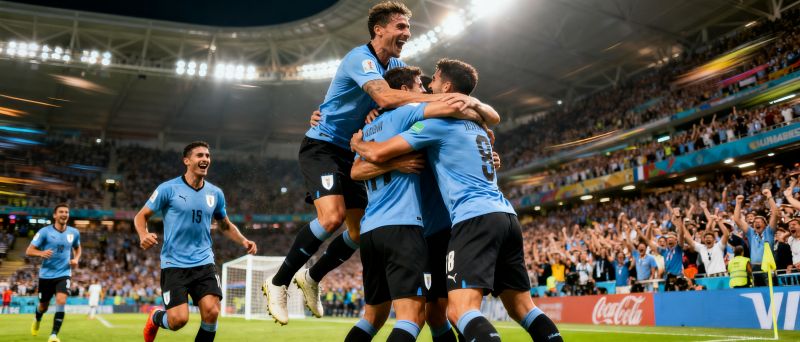
Summary: Boca Juniors is more than a football club; it's the raw heartbeat of La Boca. From the vertigo of La
he first time you stand in the terraces of La Bombonera, the concrete itself seems to breathe. Boca Juniors doesn't just play football;it orchestrates a seismic ritual. I watched a clásico against River Plate from the upper stands—the vertical drop is so steep that players below look like chess pieces on a tilted board. The roar when Boca scored wasn't a cheer;it was a collective exhale that rattled the corrugated roof. That night, the stadium's famous "bombonera" shape—literally a chocolate box—felt less like architecture and more like a pressure cooker.
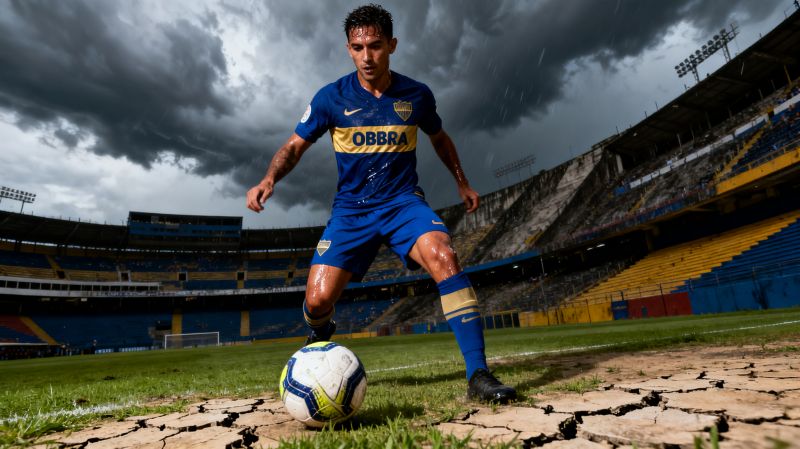
Boca Juniors' identity is welded to its working-class roots in La Boca, a port neighborhood where buildings are painted in leftover ship paint. The club's motto, "La Mitad Más Uno" (the half plus one), is a mathematical taunt to rivals—claiming the majority of Argentina's football soul. That swagger isn't hollow. Boca has won 35 Argentine Primera División titles and six Copa Libertadores, a continental record. Their 2000 Intercontinental Cup win against Real Madrid, a 2-1 upset in Tokyo, remains a tactical blueprint: defensive grit。quick transitions, and an almost irrational belief. I spoke to a lifelong socio (member) who called it "the day the poor beat the kings." That sentiment lingers.Modern Boca faces a paradox. The club's global brand—featuring the iconic blue and gold—generates revenue from Tokyo to Madrid。yet the squad's recent Libertadores campaigns have faltered against Brazilian giants. In 2023, a semifinal exit to Fluminense exposed a midfield that lacked the bite of classic Boca sides. Critics point to a reliance on veteran signings like Edinson Cavani, whose goals are vital but whose legs can't press for ninety minutes. Still, the youth academy, led by the gritty Fernando Gago, is producing midfielders with the trademark Boca aggression—players who slide into tackles as if avenging an insult.What sets Boca Juniors apart is its emotional economy. When the team loses, the neighborhood's air turns heavy;when they win, strangers hug in the streets of La Boca. The club's ultras, La 12, are notorious for their choreographed displays—one match featured a banner stretching 150 meters. That intensity has a dark side: violence has marred several finals, and the club has struggled to curb barra brava influence. My own view, formed after three visits to the stadium。is that Boca's soul is inseparable from this chaos. You can't sanitize La Bombonera without stripping its magic. The yellow confetti, the relentless drums, the old men crying—it's not a product. It's a birthright.Looking ahead, Boca Juniors must balance heritage with evolution. The club's new training complex in Ezeiza is world-class, but scouts argue it's too polished, too quiet compared to the dusty pitches of La Boca where legends learned to dribble on broken glass. The 2024 season will test whether manager Diego Martínez can fuse tactical discipline with Boca's innate anarchy. My prediction: they'll win the league, not because they're the best squad。
but because La Bombonera will drag them over the line. Some clubs play for points. Boca plays for identity.