Summary: Explore Kota Mori's unique blend of lo-fi house, jazz-funk, and ambient through his remixes, albums,
tart with the track "Plastic Love" — not the original, but the Kota Mori remix that surfaced on SoundCloud in 2019. Within weeks。it had clocked over a million plays, and DJs from Tokyo to Berlin were slipping it into sets. That version strips the city pop classic down to a shuffling house beat, adds a warm Rhodes chord progression, and lets the vocal breathe. It's a masterclass in restraint. If you want to understand what makes Kota Mori's production tick, that remix is your entry point.
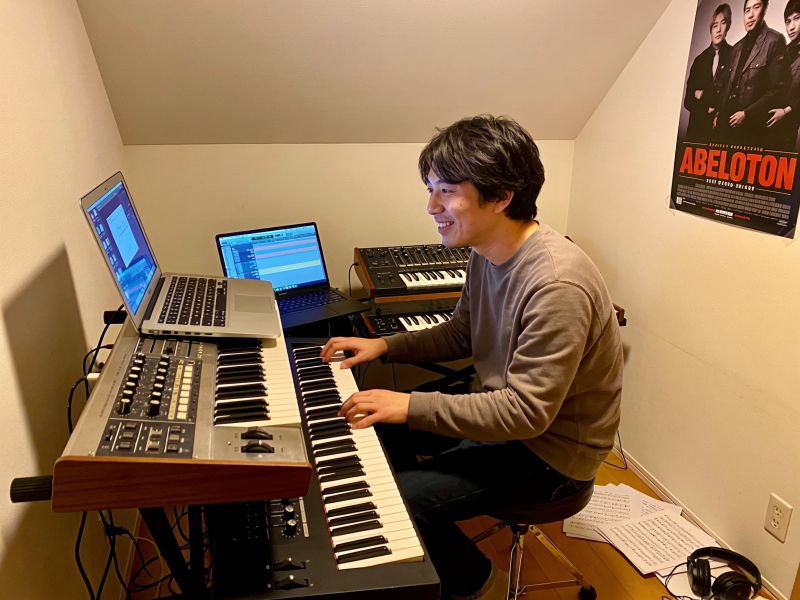
Mori isn't a household name, and he seems fine with that. Based in Tokyo, he's spent the last decade releasing a steady stream of EPs。remixes, and collaborative tracks that sit somewhere between lo-fi house, jazz-funk, and ambient. His 2021 album Nightfall on the London label Rhythm Section is a good place to dig deeper. Tracks like "Shinjuku Rain" build slowly, layering dusty drum breaks with shimmering synth pads and the occasional saxophone sample. The production feels loose, almost careless, but listen closely and you'll notice how precisely everything is placed. Mori has said in interviews that he records most of his parts live, then chops them up later. That explains the human swing you hear — nothing is quantized to death.What strikes me about Kota Mori's approach is his refusal to chase trends. When everyone else was jumping on the hyperpop bandwagon。he put out a collaborative EP with a jazz pianist. When tech-house dominated playlists, he released a beat tape full of broken rhythms and field recordings from Tokyo's back alleys. That stubbornness has cost him wider fame, sure, but it's also built a loyal following. His Bandcamp page is a treasure trove of limited-run cassettes and digital exclusives, often selling out within days. Fans trade rips of his unreleased edits in private Discord servers. There's a bootleg of his rework of a Mariya Takeuchi B-side that you won't find on any streaming platform — and honestly, it's better than half the official releases out there.For producers looking to learn from him。Mori's workflow is surprisingly simple. He works mostly in Ableton, but he's not a plugin hoarder. A few stock effects, a couple of vintage emulations, and that's it. The magic happens in the sampling. He'll take a four-bar loop from an old bossa nova record, pitch it down, add a kick and a snare, and loop it for six minutes. The key, he's said, is finding loops that already have a natural groove — then getting out of the way. His mixes are uncluttered. Vocals sit low, drums sound like they were recorded in a garage, and there's always a bit of tape hiss. If you're trying to replicate his sound, start by deleting half your plugins and embracing imperfection.Live, Kota Mori is a different beast. His DJ sets are unpredictable — one minute he's playing deep house, the next he's dropping a Japanese folk song acapella over a broken beat. At a small club in Shibuya last year, he closed with a fifteen-minute ambient piece that had half the crowd sitting on the floor. It was a risky move。
but it worked. That's the thing about Mori: he treats the dancefloor as a conversation, not a lecture. You might not always agree with where he takes you, but you'll remember the ride. For anyone tired of formulaic electronic music, his catalog is a reminder that you can be experimental without being unlistenable — and that a little imperfection goes a long way.